Is Phone Insurance Worth It? A Complete Guide (2026)
A modern smartphone can cost anywhere from a few hundred to well over a thousand dollars, so it is natural to wonder whether a monthly protection plan is worth it. The honest answer is that it depends on your phone, your habits, and the plan you choose. This guide explains what phone insurance actually covers, shows real example prices from major providers as of October 2026, and helps you decide whether it makes sense for you.
What Does Phone Insurance Cover?
Most plans fall into two broad groups. The first is accidental damage protection, which covers things like cracked screens, drops and liquid spills. The second adds theft and loss coverage, which helps you replace a phone that was stolen or that you simply cannot find. Many plans also include mechanical breakdown or battery coverage, but the details differ from one provider to another.
Almost every plan works with a deductible, also called a service fee. You pay a monthly or upfront price for the plan, and then you pay a fixed fee each time you make a claim. A plan can look cheap per month and still be expensive if the claim fees are high, so always compare both numbers.
Three Places You Can Buy Phone Protection
- The phone maker: Apple and Samsung both sell their own plans. Repairs are handled by the manufacturer or authorized service centers, which many people prefer.
- Your mobile carrier: Carriers sell protection plans that you add to your monthly bill. They are convenient, but coverage and fees vary widely.
- Third-party insurers: Independent companies sell policies for phones, sometimes at lower prices. Read the claim process and exclusions carefully before you buy.
Example: Apple Plans
Apple sells AppleCare One, a single subscription that covers up to three eligible Apple products for $19.99 per month in the United States, with extra products costing $5.99 per month each. It includes theft and loss coverage for iPhone, iPad and Apple Watch, with up to three theft or loss claims per year across covered devices. Apple also sells separate plans for a single device, which start at $9.99 per month for iPhone.
For an iPhone, the service fees are $29 for an eligible screen or back glass repair, $99 for other accidental damage, and $149 for a theft or loss claim. For theft and loss coverage, Apple expects Find My to be turned on for the lost device. Always confirm current prices on Apple’s official website, because they can change.
Example: Samsung Care+
Samsung offers Samsung Care+ and a higher tier called Care+ with Theft and Loss. For the Galaxy S26 series, Samsung announced pricing of $10 or $15 per month for the Theft and Loss plan, depending on the model. Samsung describes this plan as a combination of insurance and a service contract, and it requires Knox Guard enrollment. Deductibles depend on your device, so check the plan terms for your exact model before you buy.
When Phone Insurance Is Usually Worth It
- You own an expensive flagship phone that would hurt to replace out of pocket.
- You have broken a screen before or often drop your phone.
- You work outdoors, travel a lot, or use your phone in places where theft is more likely.
- You prefer a small predictable monthly cost over a surprise repair bill.
When You Can Probably Skip It
- Your phone is inexpensive or old, so the plan costs would add up to more than the phone is worth.
- You already have coverage through a credit card benefit, a renter’s or homeowner’s policy, or your employer. Check the fine print, because these often have limits.
- You use a sturdy case and screen protector and are comfortable paying for repairs yourself.
A Simple Way to Do the Math
Multiply the monthly price by the number of months you expect to keep the phone, then add the fee for one claim. Compare that total with what a repair or replacement would cost without the plan. For example, a plan at $12 per month over 24 months costs $288 before any claim. If a screen repair would cost around $300 without coverage, the plan only pays off if you actually break the screen. If you rarely damage phones, you may come out ahead by skipping it. If a replacement costs close to the price of the phone, theft and loss coverage becomes more valuable.
Checklist Before You Buy
- Is theft and loss included, or only accidental damage?
- What is the deductible for each type of claim?
- How many claims are allowed per year?
- Are repairs done with original parts at authorized centers?
- Can you cancel at any time, and are there waiting periods?
- What do you have to do after a loss, such as enabling a tracking feature or filing a police report?
What To Do If Your Phone Is Lost or Stolen
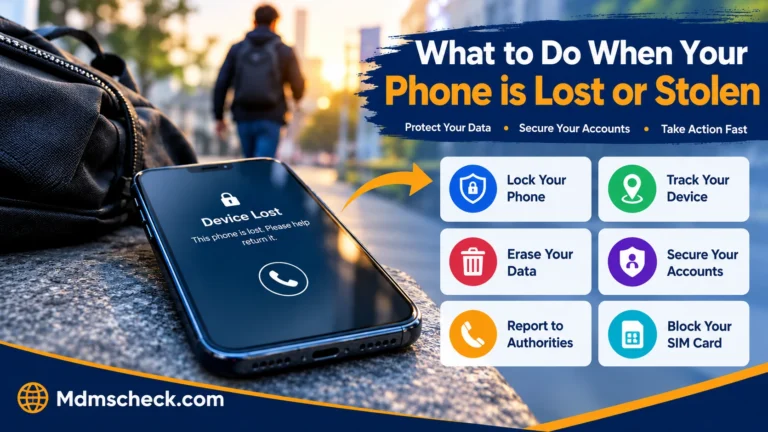
Acting quickly matters whether or not you have insurance. Lock or erase the phone using the tracking service from your device maker, contact your carrier to suspend the line, and report the theft if it applies. Your phone’s IMEI number is what identifies the device itself. You can learn how to find it in our guides for Android and iPhone, and you can read more about the registration process in our article on lost and stolen phone registration.
Other Ways to Protect Your Phone Without Insurance
A protection plan is not the only option. A sturdy case and a tempered glass screen protector cost very little and prevent the most common kinds of damage. Some credit cards offer cellular phone protection when you pay your monthly phone bill with the card, but the limits, deductibles and eligibility rules vary, so read the benefit guide before you rely on it. A renter’s or homeowner’s policy may cover theft, but its deductible is often so high that a small claim is not worth making. Finally, some people simply set aside a small emergency repair fund each month, which works well if you rarely damage your phones.
Frequently Asked Questions
Does phone insurance cover a cracked screen?
Plans that include accidental damage usually do, normally in exchange for a fixed service fee per repair. The fee depends on the plan and the type of damage, so check the amount before you buy.
Can I buy a plan after I already own the phone?
Often only within a limited window after you buy the phone. Many providers set a deadline, so look for the enrollment period as soon as you purchase your device.
Do I need to keep tracking turned on?
For theft and loss claims, many providers expect a tracking feature such as Find My to be enabled on the missing device. Apple, for example, asks for this. Leaving tracking on is a good habit anyway.
Can I cancel a monthly plan?
Most monthly protection plans can be canceled at any time, but your coverage ends when you cancel and refunds are not guaranteed. Read the cancellation terms before you sign up.
Is a used or refurbished phone eligible?
It depends on the provider. Some plans only cover recently purchased devices, while others accept used phones after an inspection. Ask before you pay.
Final Thoughts
Phone insurance is not a must-have for everyone, but it can be a smart safety net for expensive phones and for people who tend to have accidents. Compare the monthly price and the claim fees, read what is excluded, and think about how likely you are to need a claim. If you decide to buy, do it soon after purchasing your phone, since many plans have a limited enrollment window.
Disclaimer: This article is for general information only and is not insurance, financial or legal advice. Prices and terms were checked in October 2026 and may change, so please confirm details with the provider before you buy.